Are You Confused About Brown Rice or White Rice?
Rice is a staple ingredient in many of our kitchens and meals. While rice is a versatile and delicious grain, there are types of rice which are more healthy than others. We all have heard the buzz that brown rice is healthier than white rice.
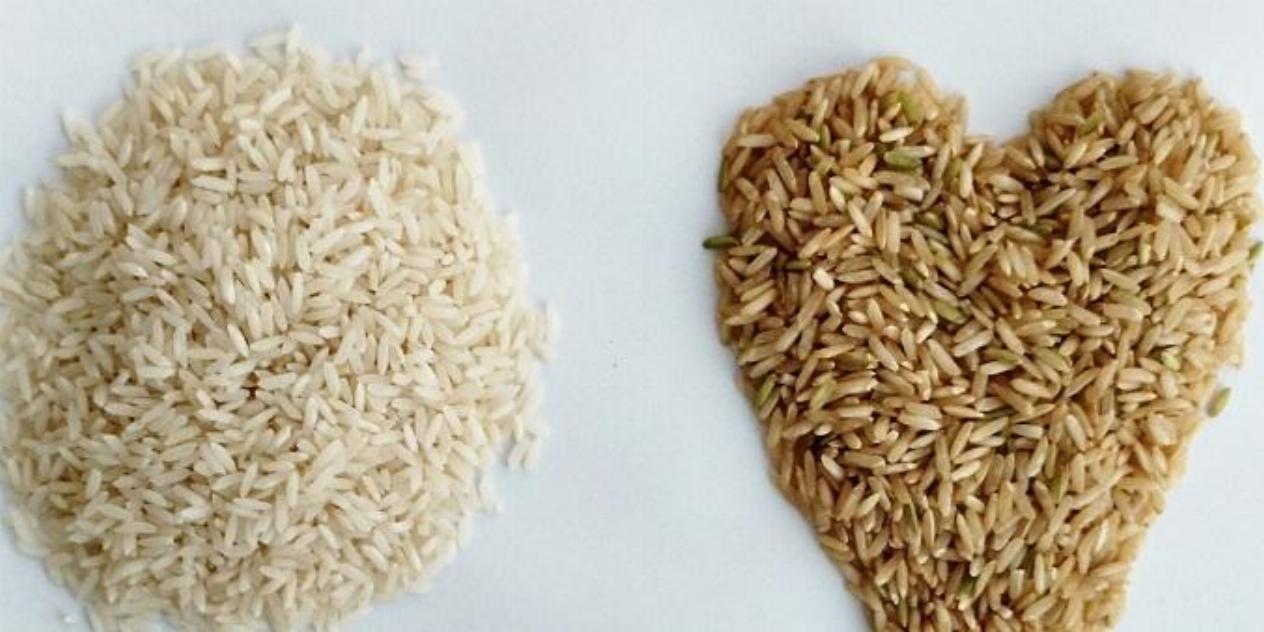
If you are confused about the difference between brown rice, white rice, here is a breakdown of everything you want to know about rice and its nutritional content.
What is Brown Rice?
Brown Rice is a whole grain. This means that it has all its part intact - the bran, germ, and the endosperm - only taking off the outer hull of the rice kernel. This also means it is high in nutrients, vitamins, and fiber.
The outer layer of the rice grain is full of antioxidants, fiber, and vitamin B. The middle layer is a rich source of essential proteins, some of the B vitamins, minerals, as well as healthy fats. The core contains carbohydrates, some proteins, and some of the vitamins and minerals. Brown rice is not stripped off any of these layers, which is both a blessing and a curse.
With all these layers comes difficulties to digest them. Brown rice is hard to digest, owing to its high fiber content. It also has a very nutty flavor, that is not everyone’s cup of tea or bowl of rice. Then, comes the threat of phytic acid that is widely found in the bran layer.
Thing to remember if you are planning to buy Brown Rice:
One main reason brown rice is processed is to increase its storage time. The essential oils in brown rice go rancid after 6 to 8 months while white rice lasts up to 10 years. So, buy brown rice in smaller quantities and make sure you are not cooking with a rancid grain.
What is White Rice?
White Rice is made from stripping off the germ and bran, leaving only the endosperm intact. This variety is milled and heavily polished to give the white color to the core. So, most of the nutrients, proteins and the antioxidants are lost in the process, making white rice an unhealthy option. When you are downing that tasty bowl of white rice with perfect side dishes, you are missing out on most of the essential vitamins and minerals, antioxidants, folate, and fiber.
But, this process also removes the bran layer, and thus eliminates the threat of phytic acid. Most importantly, white rice is easy to digest as the milling helps cut down the content of grain based fiber whose overdose can harm the gut, thus hampering the digestion process.
What is right time to eat rice?
The best time to eat rice is around physical activity, when your body needs carbs to fuel and recover.
Why you should avoid eating rice in the night?
Rice is high in starch and carbs and breaks down easily. You can digest it easily but that is where the problem lies. Rice is a dish that leads to an instant spike in your blood glucose levels as it breaks down easily and that means, you have an instant burst of energy. Rice is also one of the ingredients that can lead to weight gain as it has more calories in the form of carbs which if not used, stores as fat in your body.
Nutrition
According to the United States Department of Agriculture National Nutrient Database,
1 cup of cooked, enriched, long-grain white rice provides:
- 205 kilocalories (kcal)
- 4.25 grams (g) of protein
- 0.44 g of fat
- 44.51 g of carbohydrates
- 0.6 g of fiber
1 cup of cooked, long-grain brown rice provides:
- 248 kcal
- 5.53 g of protein
- 1.96 g of fat
- 51.67 g of carbohydrates
- 3.2 g of fiber